The Shed

The Shed
The Shed
Showing posts with label Compost. Show all posts

Tuesday, July 10, 2012

FARM GIRL'S CORNER - Fall cabbage

Hi! Farm Girl here! I help out a lot in the garden and around the shed and what not. Today I almost helped Uncle Mac a bit more than necessary. There I was, plucking a few stray weeds from the corn patch when I here him bellowing:

"Farm Girl!" Have you seen my pole?"

Good grief, I thought, you mean since breakfast? The old boy's been into the fenugreek again. But when I looked around I saw that he was holding his tackle box and net and looking puzzled.

"In the ammo room, Mac," I told him, "Aggy put it there."

And off he went to drown a few worms.

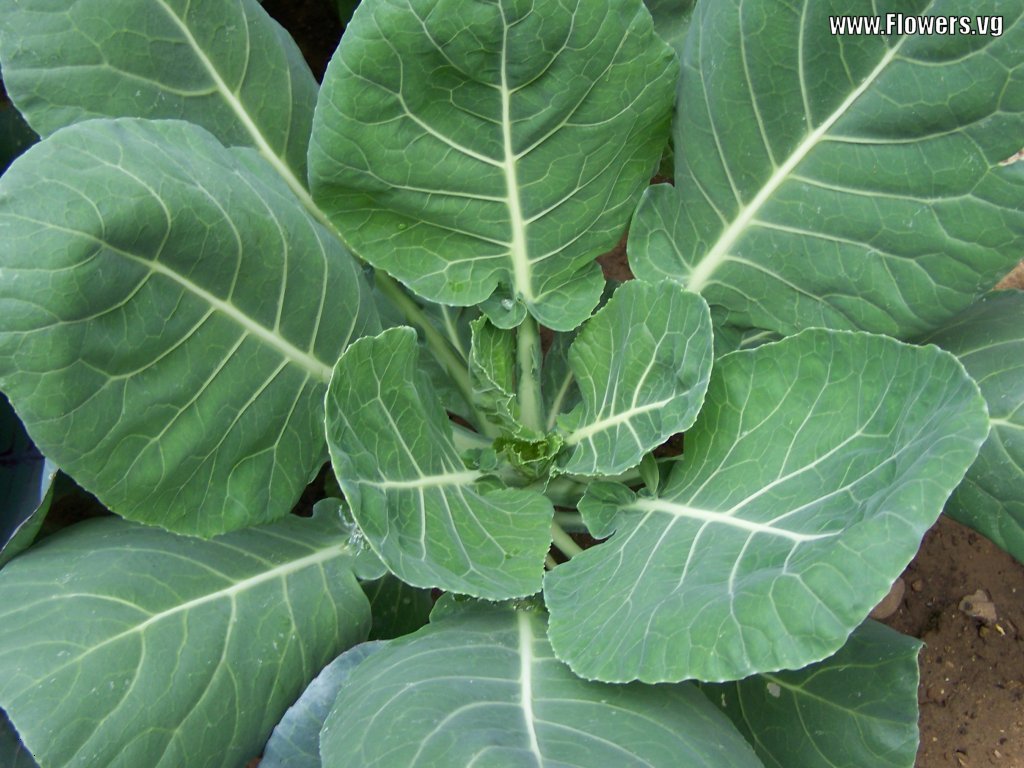
But today I'd like to tell about the fall crop we're about to put in, green cabbage. A bit early, you may be thinking but no, not in zone 5 where our garden is located.

To grow fall cabbages successfully you of course, need a place to plant them. Cabbages make a great follow up crop in a bed where radishes have been, or peas but beware planting after cauliflower, broccoli or kale; or any other veggies of the brassica genus. Members of this group share the same nutritional requirements and the second crop will suffer as a result.


We selected the heavy duty "Megaton" cabbage, a giant cabbage which happens to be extraordinarily tasty, and which stores well.

Megaton is a widely available variety, our seed happens to come from the Jung Seed company.

As it happens we let a raised bed lie fallow (no spring crop) until it was Megaton time. All we did in spring was turn the bed, work in a lot of compost, some wood ashes and a goodly amount of bone meal. (Cabbages are heavy feeders and particularly fond of phosphorus, hence the bone meal boost.)

We gave the bed a shallow turn over and raking every few weeks to knock down the weeds but otherwise left it alone.

Now, at planting time, we worked in a bit more compost and directly sowed the seeds into the bed. Megaton is a big, rambunctious cabbage and we like to give each one a full square yard in which to grow. As these huge brassicas can top 20 lbs in weight, this is not a waste of growing space.

It is important to mulch the seedlings as soon as they are big enough to tolerate it, preferably with sifted compost but if not, with grass clippings. They will benefit enormously from the cooling and water retention that mulch provides during the hot spells that are bound to occur in August and September.

Megaton cabbages take 90 to 100 days to mature after germination, be sure to water regularly and deeply, they are thirsty veggies.

A side dressing of "Superphosphate" or the like would not be amiss halfway through the growth cycle, particularly if you are trying for an eye popping, blue ribbon giant.

And that's about it for...What the heck??


Leatherface! NO!! You may NOT make your "world famous" stuffed cabbages! You remember all the trouble that caused the last time! Take that child back to wherever you found him right this minute!

Now he'll mope for a week.

Anyway that's the story with fall cabbages here at Farm Girl's Corner! As always, thanks for stopping by!   


Tuesday, June 12, 2012

FARM GIRL'S CORNER - Gentlemen! Start your rutabagas!

ITS ME! FARM GIRL! 
Farm Girl here; welcome to Farm Girl's Corner. Its really quiet around the Shed today. Jack went back to London for a visit, although we aren't sure which century caught his attention. Leatherface has locked himself in the kitchen in the main house, the better to make his (shudder) unspeakable sausages. Delacroix seems to be tangled up in someone else's story line way the hell and gone up some river in Paraguay or possibly Brazil and no one has seen Aggy in days. Not that anyone has been looking.

Uncle Mac, rifle, butterfly net, port-a-ledge and dried beanie-weenie packets in tow is on a time safari to the mid-Carboniferous which is fine as long as he only brings back trophies and nothing with a pulse. I mean, Dire worked out ok and we're glad to have him here, he looks enough like a gray wolf hybrid to pass for one and he keeps the raccoons and Jehovah's Witnesses away but who can forget the Opies?

Opabinia regalus, cute little critters from a half billion years ago, kind of like a five eyed cross between a shrimp and a vacuum cleaner with snapping jaws on the end of the hose. None of the fossils found thus far have ever been longer than five inches so what the hey! Lets just toss 'em in the fish tank with the guppies, shall we?

Turned out the paleontologists only have fossils of the babies. Two weeks later and about a thousand guppies in debt we had to move the now cat sized Opies to the koi pond with predictable results for the koi.

Tossing them in the reservoir in the dead of night was not an inspired solution; it seems they get at least as big as mini-vans.

One thing governments are good at is covering things up and so the cordoning off and eventual draining of the reservoir was blamed on some vague not-to-be-discussed terrorist activity and since no one expects that eccentric old gardeners are ever up to anything shady, we skated on that one.

Sure was lively around here for a while, though!        

But I'm here to tell you about rutabagas - Brassica napus - and why its time to consider starting them.

Oh I know what you are thinking, its early June and rutabagas are a fall crop. But think about what growing zone you are in! What is the first frost date? Most varieties of rutabaga need a minimum of 90 and sometimes as much as 115 days to fully develop. this means that if you are going to direct seed them to the garden as most folks do you need to count back that number of days from the first frost to reveal a viable planting date. And of course you don't want to take chances on an early frost. Here at the shed where we plant a long developing variety we have to think about doing our seeding sometime in the next week. (June 17 - 24)

But do you really want rutabagas, you might be asking yourself if you have never grown them. Sure you do!

Rutabagas are often called yellow turnips but this is a bit of a slur, they are nothing like the common white turnip. Bigger, longer keeping, tastier, capable of being used in many many recipes you want rutabagas in your garden. You can eat the greens as well. But you better get your ass in gear if you expect to enjoy any! Lets take a quick look at the big yeller feller.


The "Look what I got!", goofy grin. 
Rutabagas are much larger than common white turnips. Some, like this one, are merely biggish.


Just as goofy, but a bigger 'baga!
 While some will feed a family of six!


YUM!
You can make all sorts of tasty things with rutabagas, like this simple sliced 'baga, butter and pepper side.

At the shed we like to mash 'em up with equal quantities of potatoes and slather them with butter and pepper, a minor but tasty variation on the theme shown above. 

Note the color of the 'baga slice which can vary from pale through bright yellow to intense orange. 

Rutabagas are packed with all kinds of vitamins, minerals and other wonderful and healthful goodies!

Rutabagas keep over winter in a cool, humid environment, very important the way the world is trending.

Finally, 'bagas taste really good and can be used in many creative ways.


Rutabaga pie can be a main dish potpie with potatoes and other veggies, beef and beef by products and anything else that would mix in well.


But it can also be a delicious custard desert pie as well!


Rutabagas can be prepared as a hearty, filling and nutritious cold weather soup. There are so many ways to utilize this versatile veggie!


Sold? Ready to plant? Well cheer up, rutabagas are an easy to grow, undemanding crop as long as you start them in time.

First you need a spot to put them. Have you used all of your garden space for the spring planting? Then rutabagas will be a successor crop, following an early crop that has already been harvested. This can be kale, spinach, leaf lettuce or radishes. Peas are a particularly fine precursor, their nitrogen fixing ways are beneficial to the second crop.

Avoid planting where other Brassicas were previously planted, plants like cabbages, kohlrabi, white turnips or broccoli use the same nutrients as rutabagas and their growth will not be optimal as a result.

Turn the soil, rake out any weeds or former crop remnants and work in compost of course. Add just a little bit of a potassium rich soil amendment like hardwood ashes or dried kelp or kelp meal. If your compost is made with hardwood ashes added in this step will not be necessary.

Plant the seeds so that no plant will be closer than one foot from any other, about one half inch deep. allow 10 - 14 days for germination. Mulch the plants when growth is well established, weed if necessary and keep well watered.

Rutabaga's have few insect enemies but woodchucks, deer and bunnies will nibble the leaves.


Rutabagas will tolerate a light frost but if long term storage is the goal they should be picked before frost touches them. They should be stored in a cool but humid environment, under which conditions they will last all winter long.

Waxing probably does more harm than good, you can do your own controlled experiment and see which group comes through best. 

That is our rutabaga story and we're stickin' to it. As always, thanks for visiting Farm Girl's Corner!


"Farm Girl" photo courtesy of April May Maple, who retains all rights.

Model: April May Maple


Sunday, May 13, 2012

FARM GIRL'S CORNER - How to do the job right in the vegetable garden

Hi its me Farm Girl! I help Uncle Mac in the garden and around the shed and things like that. You know, a lot of folks don't know how important it is to maintain a clean environment when gardening. Seeding pots that are not cleansed season to season, or tools between usings can spread disease from plant to plant and bed to bed, from one season to the next!

A dirty hoe can spread Verticillium Wilt before you can say Jack Robinson!

Did you say "Jack Robinson"?

See how quickly that can happen?

Well today I was keeping everything nice and tidy. Mac did some weeding, and then I cleaned his tool. He transplanted some seedlings and I made sure that tool was spotless! Then he poked in some seeds and I polished his dibble like it's never been polished, if I do say so myself. Old fool probably won't wake up until late afternoon tomorrow at best!

But I'm here today to link you to a positive plethora of valuable articles on how to get things done in the garden. With no further ado:


Do you love fresh juicy watermelons? And not just watermelons but cantaloupes and honeydew melons, and all the sweet exotics that have become available in recent years? This little guide will help you grow melons that your neighbors will envy! Just click HERE:


Do you like Lima beans? Pole beans, peas, cucumbers or gourds? These are a few of the many veggies that would climb a trellis willingly and benefit from the climb. A trellis can be as simple or as ornate and complex as you like but if you are a gardener you are going to need one or more. Some thoughts on trellising, right HERE:


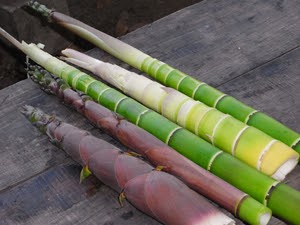
You too can grow your own edible bamboo; yes its true, and many do. Our Asian brethren and cistern know how tasty this exotic side dish can be. You do, however need to take a few precautions because when cyanide is involved, well, bad things can happen. Tips for growing this unusual, delightful and delectable addition to the western garden are spelled out for you, right HERE:


Do you believe in minding your P's and Q's? Here at the shed we pretty much tend to ignore Q's except during scrabble-thons or words with friends. P's, or more accurately, peas, have our undivided attention. And what do peas want to be productive garden denizens? A little sun, a bit of compost, some nitrogen fixin' bacteria and water. AND good neighbors! To find crop enhancing companion plants to bolster your pea patch, simply click HERE:


Somewhere on this ball of rock hurtling through the void there might be a serious gardener without a compost heap to his or her credit. I've never met one, and don't actually wish too. Compost is probably the single most important component in a successful garden plot. Moderating PH levels, improving tilth, attracting earthworms, providing nutrients, forming a superior mulch; compost does all of this for the gardener, and more.

There are of course right and wrong ways to go about composting. Let Glory Lennon, award winning author of "Glory's Garden" teach you the correct way to go about it. She does so right HERE

Onions, everyone seems to like them, and they can be used in so many ways. But have you ever wanted to grow a truly ginormous onion? One that stops browsers in their tracks at the county fair? Well here is a blueprint for success in gigantic onionry.

There are however a few updates since the original article was written:

Ailsae onions are no longer as rare as once they were, both plants and seeds are now widely available in the US.

The admonition about mulching with grass clippings remains true - however a mulch composed of well aged sifted compost made by the "hot" or "fast" process to kill all weed seeds is highly recommended.

Following these instructions will result in large onions indeed. The Brits, who apparently care about such things, stress that to grow a potential world record breaker strictly controlled green house methods alone will get the job done. For the rest of us the great outdoors is just fine:

With that out of the way, for humongous onions, click HERE

Not satisfied with taking home the blue ribbon for biggest onions? You want the tomato award as well? Let us see what we can do to help you out. Just click right HERE:  


Hmmmm. Someone seems missing from the usual cast of characters here at the shed today. Who could it be? I'm here...Leatherface is cutting firewood...Delacroix is cleaning that big ass rifle...Uncle Mac, passed out on the hay bales, snoring. Kinda sounds like a chain saw with a bad carburetor, doesn't he? Jack is researching a "Dead from the Shed" post. Aunt Agnes - why is Aggy still here, anyone? Hmmm? Well anyway Aggy is getting herself outside of a quart of Jack Black.

The critters? Dire and Nero are trying to imitate nice dawgies...Mrs. BobKat is sleeping in the rafters...Blinky scooted past with a dead chipmunk just a few seconds ago...Oh I know! No Clem! No garden worth its parsnip should be missing Clem! Clem who? Clematis of course. Here once again is Glory with the Queen Clematis story.


Pole beans or bush beans, that is the question. Here at the Shed we love 'em both and grow both types every year. But for the first time gardener there may well be good reason to go with bush beans. We are happy to give you our two cents worth about that, right HERE!


So you've built your raised beds, added rich garden soil and compost, is there anything else that could make this splendid situation even better? Of course there is! Simply invite about a thousand of your best gardening buddies and helpers, the earthworms. Let us tell you why, right HERE!


Well there you have it! A wealth of information at your finger tips, do with it what you will. Until next time, and as always, thank you for visiting Farm Girls Corner! 

Tuesday, May 1, 2012

THE CHILDRENS HOUR, WITH LEATHERFACE - An appeal for help!

Hallo everyone, its your favorite cut up and baby sitter Leatherface! Usually I run little educational snippets for the kiddies on how to control garden pests and other things but today, I've asked all the parents here because we are having trouble with an old nemesis that we really have had little success controlling in the past. We thought someone might have a helpful suggestion. Help yourself to the beans, weenies and fixin's on the sideboard before we get down to biz here.

Whats that, Mrs. Quackenbush? Nathan's weenie? Well one might have been a Nathan it's so difficult to keep track over the years.


Know your varmint: Here she is folks, the bane of our existence here at the shed. We don't who she is, because we can't catch her to ask so we just call her Pineapple Girl. I can tell you, this is about the only glimpse of her we ever get, scooting around a corner - she's abnormally quick for a short little woman - usually with our best pineapple in her mitts and a goofy grin - well represented here I think - on her face.

Once she scoots around a corner she disappears completely, not even footprints left behind, or a scent for the wolves to pick up. This leads us to think she has found at least one of the worm holes in the garden (not the ones made by our slimy little garden allies) which makes her more difficult to contend with than say, hungry raccoons which although undoubtedly clever little beasts are not noted for their ability to manipulate space-time.

Yes, question, Mallory? How do we manage to grow pineapples here in North Jersey? We like
pineapples, my friend. And we are gardening wizards after all, aren't we? Have another weenie?

Live traps don't work, electrified fencing doesn't work, predator pee - well I leave it to you. Dusts, sprays, CD's on string, pah! She sneezes at them.


Uncle Mac says she can't outrun a bullet but, despite the bizarre trophies he brings home now and then, I don't see him loading the ol' Springfield.

She doesn't confine herself merely to pineapples; eggplant, butternut squash and Kossack kohlrabi seem to be on her list as well. She snatched our biggest Burgermeister Grande termato last summer on a dead run, just as farm girl was about to pick it! A two legged scourge!

We that's it for today, folks, put your heads together and see if you can help us solve the Pineapple Girl Mystery, you might win a valuable prize! (If you consider 10 lbs of Uncle Mac's Special Compost valuable, that is.) As always, thank you for visiting here at The Children's Hour!

Friday, April 6, 2012

FARM GIRL'S CORNER - Talkin' tomatoes


Howdy I'm Farm Girls Aunt Agnes from Texas! Farm Girl is in Minnesota for a little while doin' research on Vikings so I thought I'd stop by and help Uncle Mac while she's gone. Farm girl is always helping Mac all over the place and I figured, heck, I can help that old fool t'il he's bow-legged but he doesn't seem interested. "Guzzle all the beer you want, don't touch my whiskey, don't frighten the animals and stay out of my way." is what he said, a bit rudely it seemed to me. Well his loss...

Farm Girl intended to talk about termaters and she left what she had to say writ down, so I'll let 'er git to it, as it were.

************************************

Tomatoes are the prime bragging crop in most home vegetable gardens and that's true here at the Shed as well. While its pretty easy to grow tomatoes generally, it can be a little more complicated to grow a really large crop of juicy tomatoes with at least a few "take me to the Fair" giants among them.

A good deal of the important work can be done during fall clean up, leaving you with less to do in spring.

Tomatoes love to send their roots deep and wide and its to the gardeners advantage to help them do so. One way is to decide which beds will be holding tomatoes the following season and actually dig them out, more than a shovel's length, perhaps two feet deep or more if you have the inclination, (or perhaps a couple of teen aged sons who want something from you).

Take the opportunity to replace the boards to the raised bed if they are deteriorating, perhaps with two by ten lumber this time instead of two by six, or better still with the semi logs you split yourself which can be any size you wish. (to find out how easy this actually is, look HERE.)

Then fill the bed back up with a mix of organics and the soil which you removed. Whats good? any left over compost you have should be tossed in. Mac likes to take oak leaves and straw, lay it on top of a patch of lawn grass he let get tall, and then mow the mass slowly, collecting the chopped mix in a catch bag, then laying it out and chopping it again.

This gets mixed in with the returning soil and places potential tomato nutrients with the reach of the worms and microbes who will act upon converting them into a form that tomato plants can best utilize. Mac also likes to sprinkle in some green sand, crushed eggshell and bone meal, but generally avoids boosting nitrogen as the grass and compost will already be providing that, and he will be adding more compost in spring.

Once the bed has been refilled it should appear to be over filled, and that is fine, it will settle over the winter months.

In spring, all we do is add in a bit more compost, sifted, and turn it into the soil - only one spades depth this time. Keep turning the soil ever few days while the weather warms, this suppresses weeds and also exposes all kinds of grubs to the birds, who will happily gobble them up.

We never plant our tomato plants, usually from seeds we've started but sometimes with purchased plants, before May 15th. (We're on the cusp of zones 5 and 6). this gives us warm soil and adequate warm nights, and large "seedlings" to plant. We always plant them with a good part of their stems underground, roots spring forth from the buried stems and help grow an stronger, healthier, ultimately more productive plant.

We are growing three varieties of main season, large tomatoes and this one is "Brandywine", a widely available open pollinated type known for its large, flattened fruits and delightful tomato taste. Brandywine is indeterminate and really benefits from staking, the plants grow quite large. As with all the larger tomato types it is a good idea to pinch off the suckers - excess branches - so that most energy goes into growing tomatoes, not greenery. We expect tho pick these starting in mid July.


Like Brandywine, the Old German tomato is an heirloom, open pollinated indeterminate variety, producing large beefsteak style fruits that can run from tradition crimson in color to nearly gold, both inside and out.

We have never tried this variety, here at the Shed but we have heard good things. We'll be taking pictures and keeping everyone advised of their progress throughout the season.

Both of these varieties are widely available, we happened to get our seeds from the Territorial Seed Company.


If there is a knock against either the Brandwine or Old German tomato it is that they are not the most prolific of producers, although we have always found the yield from Brandywine to be more than adequate.

W. Atlee Burpee Seeds proclaims that our final choice, the exclusive Burpee Big Daddy, is a powerhouse producer of 1 lb. fruit. 

This is the only hybrid tomato plant which we are growing this year, and likely the last on ever, as we are moving to a "seed saver" program next season. We simply wanted to see if this much ballyhooed newcomer would live up to its advanced press. As it has been developed from the widely grown "Big Boy" plant we feel that it just might; we have always had great success with Big Boys.

Once the plants are in the ground and established, we weed them scrupulously, and then cover the soil with a 2" thick carpet of sifted compost to retain moisture and keep the soil cool, and also to keep earthworms near the surface doing their wormly duties. (for more on this, go HERE). After they have been growing for a month or so we give them a side dressing of powdered eggshell - calcium- and of Epsom Salt - magnesium. A good dousing with sea food emulsion is also in order, perhaps a week after the side dressing.

Other than that it is simply a case of keeping up with the staking and water supply and waiting for nature to take its course. Stick with us for further updates on the progress of the tomato patch, and as always, thank you for visiting Farm Girls Corner!

Thursday, January 26, 2012

FARM GIRL'S CORNER - butternut squash


FARM GIRL

Hi! I’m Farm Girl. I help Uncle Mac in the garden and around the shed and things like that. Uncle Mac really likes to get a jump on the growing season but even I was surprised when he called me the other day.

“Farm Girl”, he said, “Git your bony ass over here I’ve a mind to do some plowin’!”

“Oh Mac, you silly man, I told him, we can’t do any plowing it’s the middle of winter!”

But he talked me into it and do you know he was right? We plowed from eleven in the morning until two in the morning the next day; it was amazing. I haven’t participated in a plow fest like that since homecoming night my senior year at Texas A & M! I do not know where the old bastard gets the stamina! Must be all the fresh veggies…

REALLY BIG BUTTERNUT SQUASH

But today on Farm Girls Corner I'm going to tell you about one of the crops that was a huge success in last years garden, "Really Big Hybrid”, a strain of butternut squash. “Really big” well describes this 10 to 15 pound whopper butternut squash, which is not only huge and prolific, it is full of tasty seeds and keeps spectacularly if you just store it in a cool but dry environment.

And it is so easy to grow! Just plant the seeds in well turned, compost rich soil, about an inch deep. Wait a full three weeks after the last frost to plant, these squash abhor cold weather. Allow three feet between each plant and its neighbor; these are vigorous, fast growing vines. They will try to grow outside the garden fence, do not allow it, critters are out there, awaiting their arrival.


MISTER BEAR

When the vines are beginning to flower, hitting them with fish emulsion spray is a terrific idea. (Apply fish oil emulsion only on days when the wind blows toward that neighbor you are not crazy about. It smells awful.) Other than that, they need little in the way of soil additives or fertilizers with the exception of the compost already mentioned.

Do water well when the tiny squash begin to develop and thereafter until harvest, these are thirsty veggies and need water to achieve maximum size and weight.

The seeds for this crop came from the Jung Seed Company, but they do not seem to be carrying the seeds this year. This is unfortunate, these are excellent squash, and the best butternuts we’ve had here in the garden for 40 years. So fire up your search engines, and add these wonderful vegetables to your list, they are worth the search.

And as always, thanks for viewing Farm Girls Corner!


Monday, January 23, 2012

FARM GIRL'S CORNER - collard greens

Hi! I'm Farm Girl and I help Uncle Mac in the garden and around the shed and things like that. I'm the first one he calls upon when he feels the need to stake a tomato.  ;0)


FARM GIRL

Today I'm going to tell you about one of the crops that was a huge success in last years garden, "Champion" collards. Champion is a variety of Vates style collard that has a long growing season and great resistance to both bolting and frost. It is prolific and produces some very large leaves that are perfect for stuffing. Of course they are also terrific in more traditional southern dishes as well.

Uncle Mac likes to cook them in a crock pot with corned beef, adding potatoes to the mix to make corned beef and collards. It sounds heretical but since collards and cabbages are both Brassicas a dispute about which to use is much ado over nothing and the flavors blend very well indeed.

Collards are easily started directly in the garden once the danger of frost has passed and the soil has warmed and been prepped with ample amounts of compost. Plant four or five seeds in one spot that you could cover with a silver dollar for each individual plant that you wish to grow. Plant them about 1/4" deep and pat the soil down gently. When the plants germinate thin to one plant in each spot. Allow each individual plant 4 square feet in which to grow. This sounds like a lot of space but Champion produces large plants that will benefit from the extra growing room. Plants will generally max out at about 36" tall and spread out until their leaves interlock.

CHAMPION COLLARD

Care is minimal. Keep the plants weeded and when the weather warms in late spring mulch well with sifted compost. Fertilizer is not required except in the poorest of soils and the plants do not require staking or trellising. Keep them well and consistently watered.

Take the large leaves from the bottom of the plant first and the plants will continue to produce. Here in north Jersey we slow cooked a mess of collards at Thanksgiving, after several moderate frosts with fine results. A hard and protracted freeze in early December finally ended the collard patch, long after every other plant had gone to the Great Compost Heap in the Sky.

Of course, you can get a two to three week jump on the season by starting the plants indoors four weeks before the final frost date and transplanting them to the garden four weeks after germination, which will take perhaps ten days.

MR. GOAT

                                                                       
You will enjoy your collards immensely but you need to fence them in. It isn't that they'll make a break for freedom, it is just that a wide assortment of critters both domestic and wild enjoy them as much as you and your family do. Woodchuck, bunnies, goats, sheep, cattle, deer, the list of collard fanciers goes on and on.

Find a spot for these long term, tasty (and by the way healthful) crops inside the wire and enjoy them from early summer through early winter.  They are widely available but here are three suggestions for potential suppliers: Hometown Seeds, Jung Seeds, and Territorial Seed Co.

Enjoy your collards and thanks for visiting Farm Girl's Corner!